|
13 July 2026
Newsletter no. 4-2026 from Norecopa
Welcome to Norecopa's fourth newsletter of 2026. This is the 135th newsletter which we have issued.
We hope you find them of use. We
welcome feedback, positive or negative.
Please share this newsletter with your colleagues and friends, and encourage them
to subscribe!
We are also on
LinkedIn and (to a much lesser extent) on
Facebook.
This newsletter contains the following items (if some links do not appear to work, check that your mail program has opened the whole of the newsletter):
|
•
|
|
|
•
|
|
|
•
|
|
|
•
|
|
|
•
|
|
|
•
|
|
|
•
|
|
|
•
|
|
|
•
|
|
|
•
|
|
|
•
|
|
|
•
|
|
|
•
|
|
|
•
|
|
|
•
|
|
|
|
As mentioned in
Norecopa's previous newsletter, work has started to establish a national 3R Centre in 2027.
The Norwegian Food Safety Authority (Mattilsynet) will host the Centre and plans to advertise three full-time positions for this Centre in the early Autumn.
Norecopa's Secretary Adrian Smith will circulate details of these positions
via his LinkedIn feed as soon as they are announced, and in future newsletters from Norecopa.
The Norecopa database will continue to function in its present form on
norecopa.no and will serve as the Centre's main 3R knowledge base.
The 3R Centre will work closely with the existing
National Committee for the Protection of Animals Used for Scientific Purposes and the regulatory team that processes applications for animal procedures, but it will not have any regulatory functions.
The National Committee has sent out an invitation to an online, English-language meeting on 22 October on the topic of
Best Practice in Marine Mammal Research, where participants from abroad are also very welcome.
The US-based company
Charles River Laboratories has made
a podcast about Norecopa's activities, where their Executive Director for Global Animal Welfare and Training, Liz Nunamaker and Adrian Smith are interviewed.
|
|
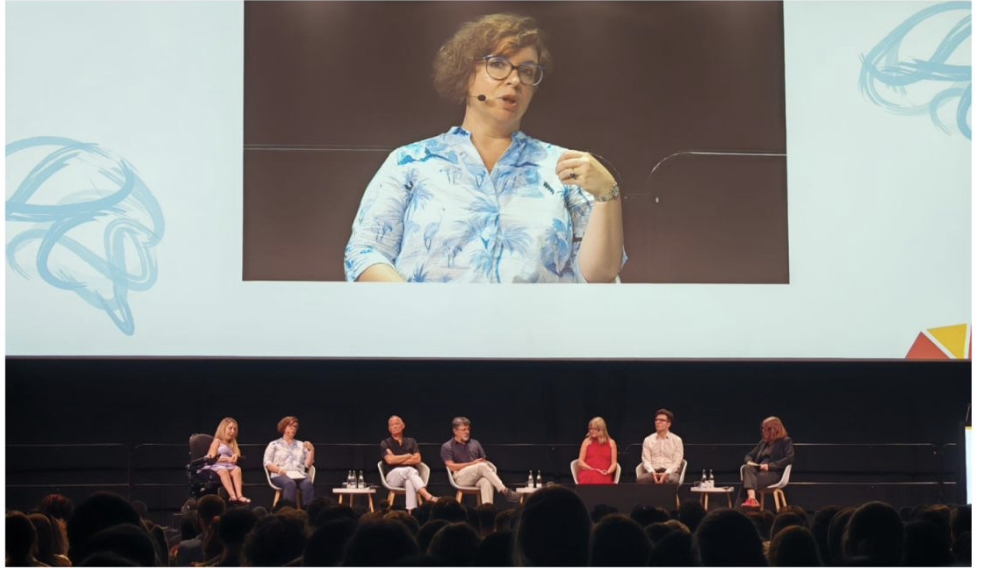
Norecopa's
Annual Meeting and Scientific Seminar was held as a hybrid meeting at the Veterinary Institute as a hybrid meeting on 11 June. The Annual Meeting itself was held in Norwegian and the relevant documents
can be viewed here. The following presentations were also held:
•
Hva har skjedd etter Dyrevelferdsmeldingen? (Adrian Smith)
•
Of mice and methods - the scientific, ethical and economic costs of poor quality research (Nuno Franco, Laboratory Animal Science Group, i3S, Porto, Portugal)
•
Enhancing quality of preclinical research - a mission possible? (Vootele Voikar, Helsinki Institute of Life Science, University of Helsinki, Finland)
•
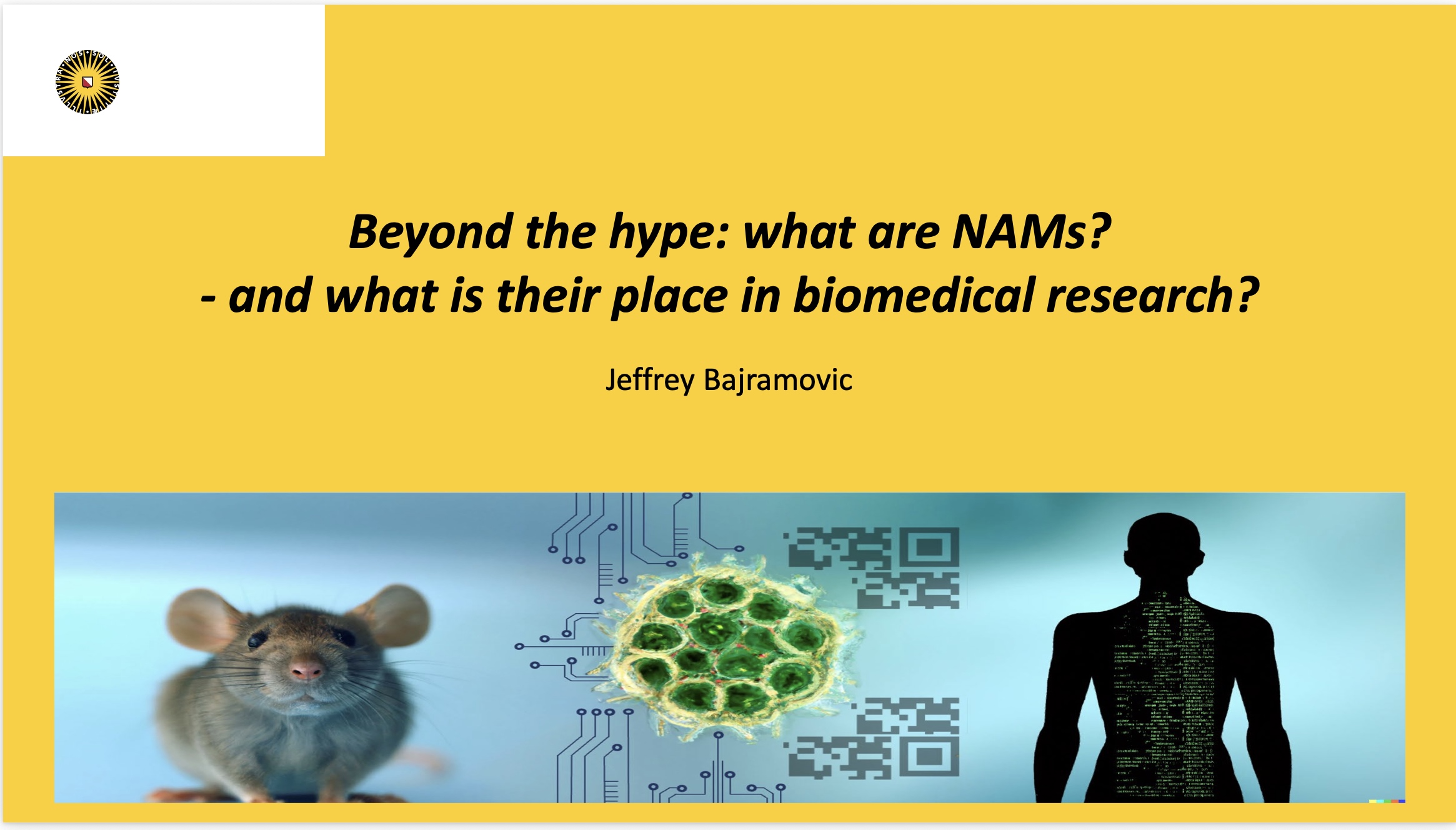
Beyond the hype: what are NAMs and what is their place in biomedical research? (Jeffrey Bajramovic, 3Rs Centre Utrecht, The Netherlands)
•
What’s happening with animal research in Europe? Successes and ongoing challenges (Penny Hawkins, (Animals in Science Department, RSPCA, UK)
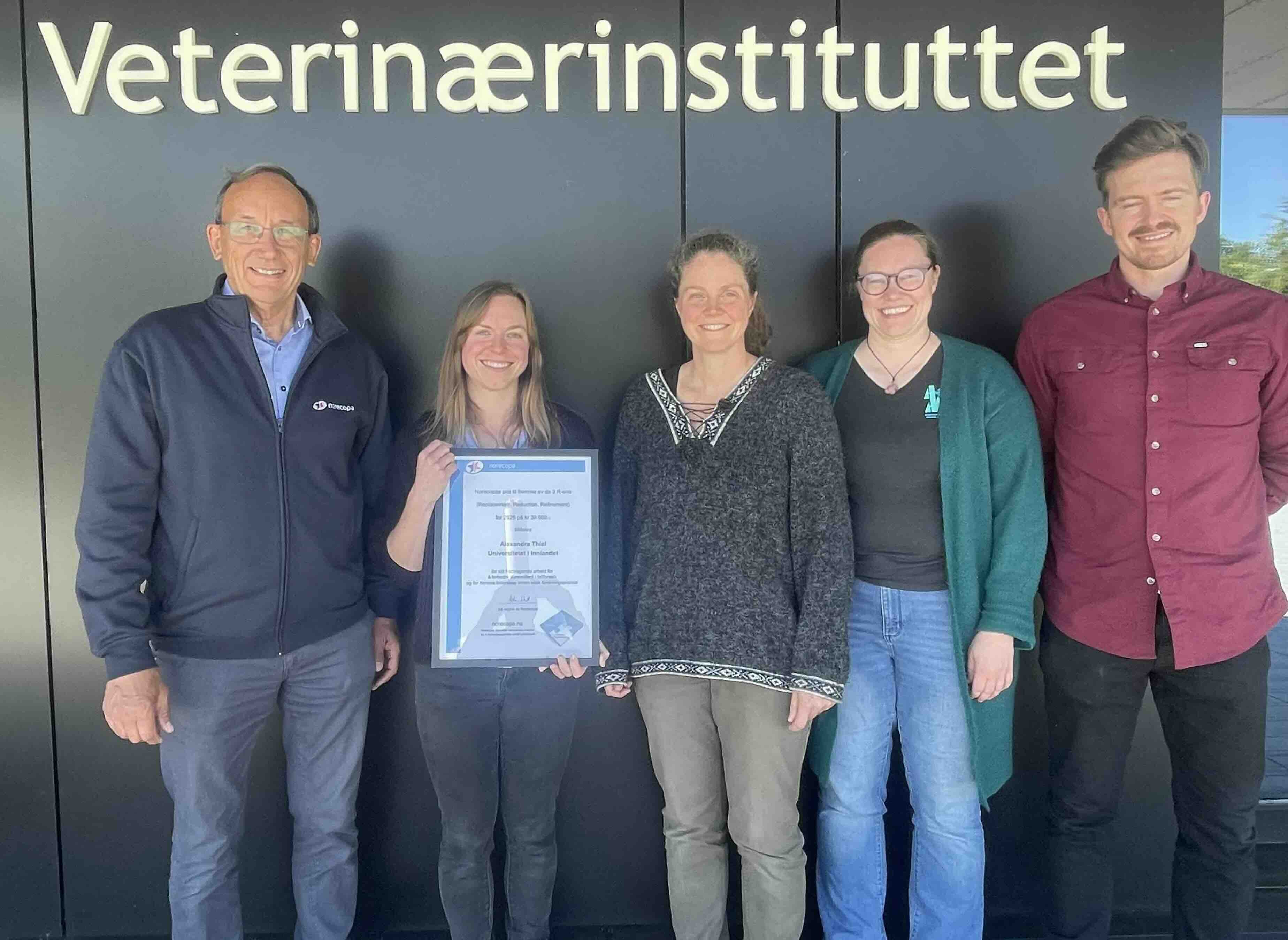
Norecopa's
3R Prize was awarded for the 15th time (see below).
The response to
our 2026 webinar series, in collaboration with Rafael Frías of
R3FINED International, continues to be overwhelming, with the limit of 1,000 registrants being reached each time. After a summer break, the series continues on 27 August when Professor Eddie Clutton from Edinburgh University will discuss
anaesthesia and analgesia of large animals in research. Early registration is recommended, as this webinar is filling up rapidly, like all previous ones.
Since the last newsletter on 20 May, Norecopa's Secretary has attended two international meetings:
•
The 56th Scand-LAS Symposium in Copenhagen, with a record number of participants and a rich
scientific programme. Norecopa was also represented by Elisabeth Pagels, whom Norecopa hires on an hourly basis to help update Norecopa's webpages (25 hours/month). A few of the presentations held at the meeting
can be downloaded as pdf files.
The organisation Scand-LAS has also launched a new version of its website,
scandlas.org.
•
CELASC (Central-East European Laboratory Animal Science Congress) outside Budapest. The meeting was co-organised by several
FELASA member organisations from the area, in collaboration with
ESLAV and
ECLAM. Adrian Smith held a presentation entitled:
Lip service or real improvement? Using guidelines interactively on the path to better science.
|
|
The National Institutes of Health - the world's largest funder of animal research - has launched a new office dedicated to advancing human-based research methods and reducing animal use. The official establishment of the
Office of Research Innovation, Validation, and Application (ORIVA) marks one of the federal actions in recent years aimed at shifting biomedical research away from animal experimentation and toward approaches that directly reflect human biology.
Do you need an education programme on how the 3Rs can be strategically implemented in research organisations. A Swiss
hybrid part-time Certificate of Advanced Studies (CAS) programme for professionals who operate at the interface of regulation, science and institutional practice starts on 14 January 2027. The deadline for applications is 4 December 2026.
A FELASA working group has published
guidelines on anaesthesia for pigs, sheep, goats and cattle involved in biomedical research. They consist of four parts:
• Part I: Behavioural preparation and restraint
• Part II: General principles of anaesthesia
• Part III: Monitoring anaesthesia during experimental procedures
• Part IV: Pain assessment
UFAW (Universities Federation for Animal Welfare), who commissioned the work of Russell & Burch
that led to
the 3R-principles, have changed their name to
Science for Animal Welfare, to better
reflect their mission. They held their
Centenary Conference in London in June. Among many other things, they have a large range of
grants and awards within animal welfare.
Issue 2 of the
ART magazine (Animal Research Tomorrow) contains many relevant articles.
A
Centre for 3Rs and Translational Innovation has been established at Kings College, London. The aim of the Centre is to advance
Next Generation Science, by embedding animal welfare and the 3Rs in their
in vivo research while at the same time accelerating the development, validation and adoption of methods that reduce or replace animal use.
German scientists are using
larvae of the wax moth (Galleria mellonella) to help reduce animal numbers in research. They are considered suitable as an alternative infection model for investigating the pathogenicity of bacteria.
The
PWIN project (Primate Welfare INdicators) aims for objective and standardised welfare assessment of non-human primates when used in research.
Session proposals may now be submitted for the
14th World Congress on Alternatives and Animal Use in the Life Sciences (WC14), which takes place 15-19 August 2027 in Seoul. The
deadline for these is 1 September. The call for abstracts will come on 1 December.
The
COST Action LIFT (Lifting farm animal lives - laying the foundations for positive animal welfare) has produced a number of
videos about their work which may be of interest to those working with these species. Those using the
STRANGE guidelines, which we have previously referred to in these newsletters, can read about
a project to apply this to animal welfare research.
The NC3Rs has produced a number of
3R information leaflets, badges and cards which can be used for outreach to schools and the general public.
The EU project
ERA 4 NAMs is asking all those interested in training within the 3Rs and NAMs
to take part in a survey to help them map existing opportunities and future needs.
|
|
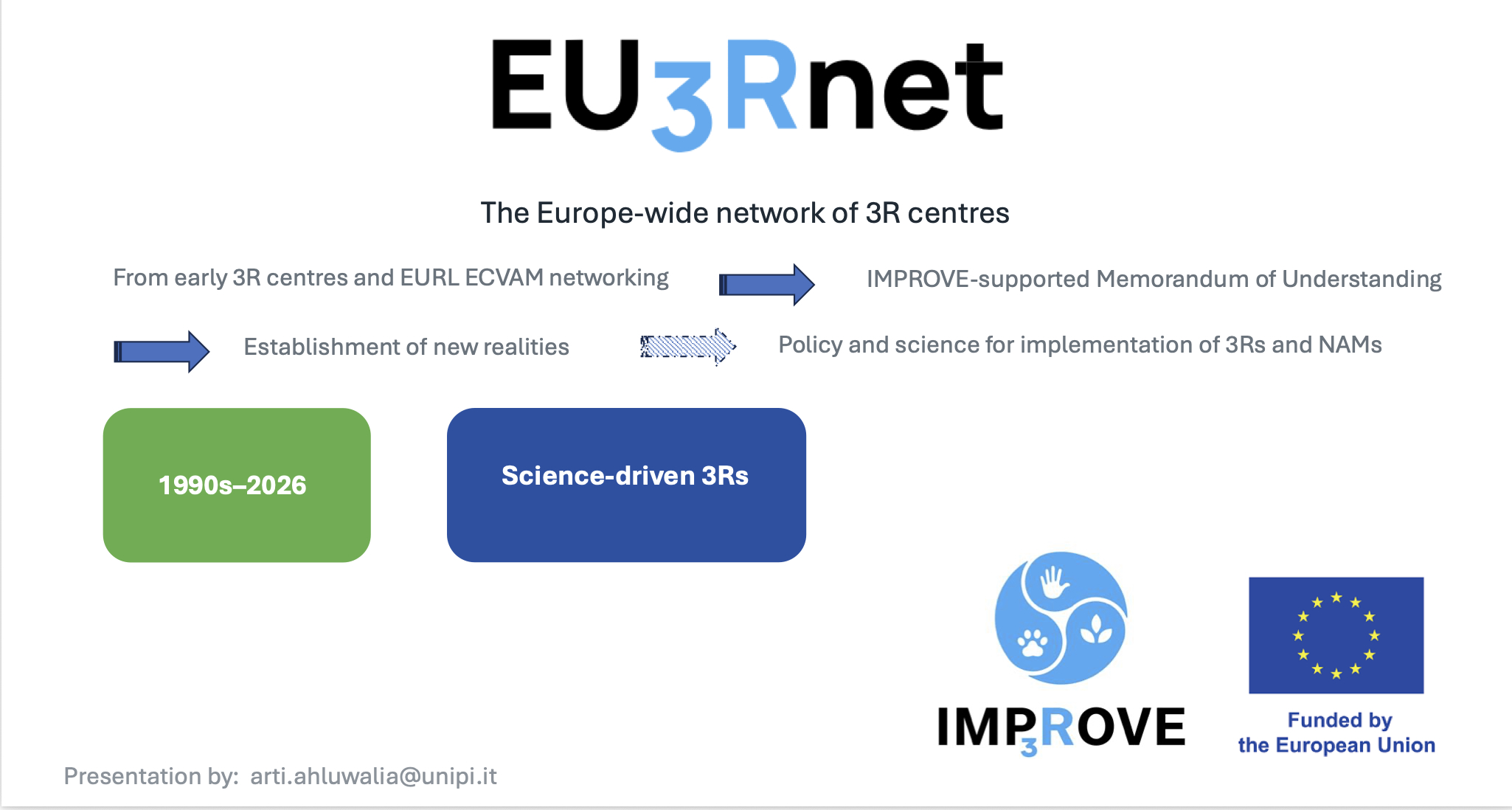
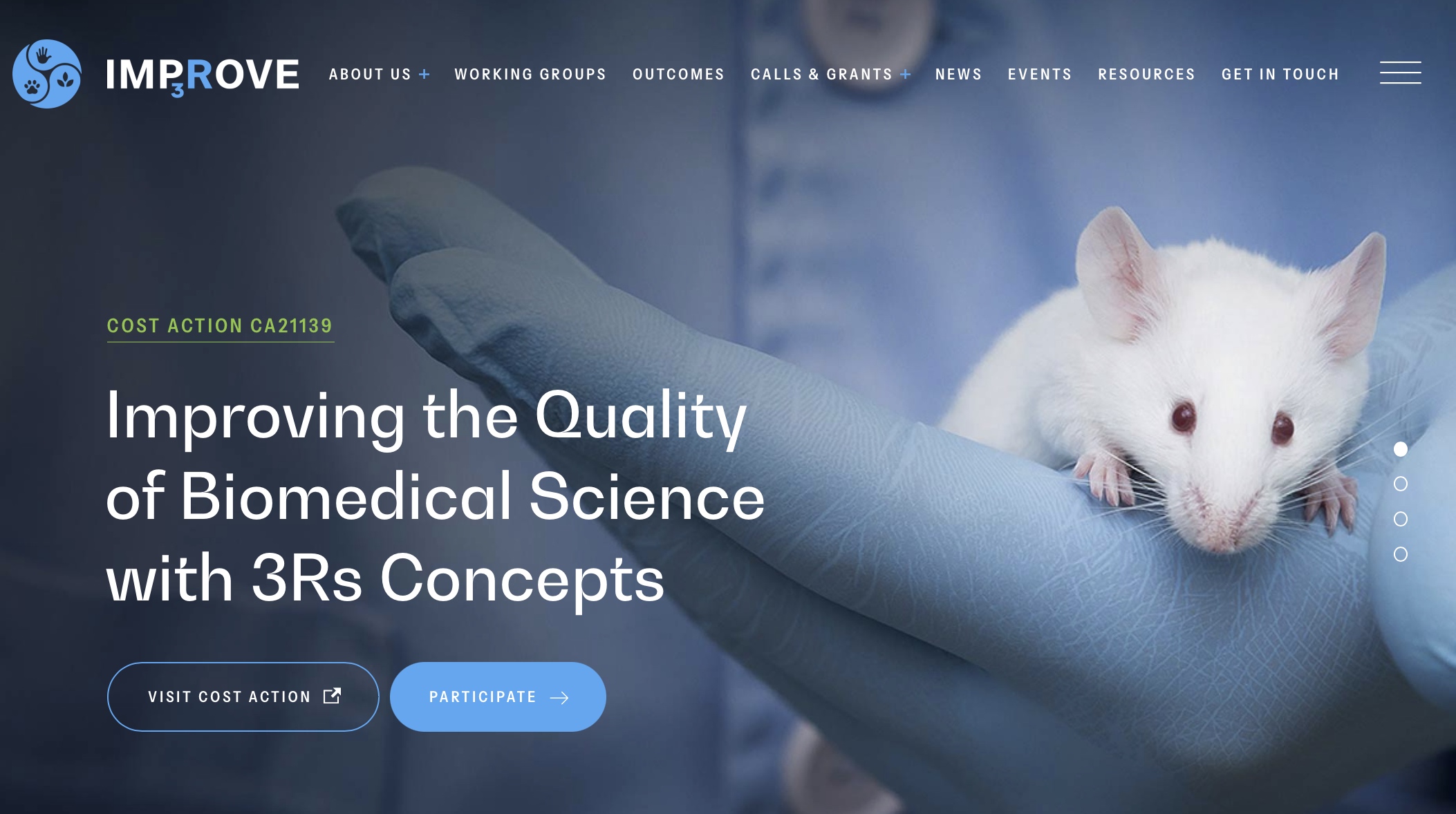
The final meeting of COST Action
IMPROVE -
Improving the Quality of Biomedical Science with 3Rs Concepts, in which Norecopa participates, takes place on 2 October in Pisa.
This event will bring together IMPROVE members to reflect on the achievements of the Action, share key
outcomes from all Working Groups, and discuss the lasting impact and future sustainability of the IMPROVE network.
There is also some information about IMPROVE
on Norecopa's website.
|
|
CHANGE is a project led by the Norwegian Scientific Committee for Food and Environment (VKM) and funded by the European Food Safety Authority (EFSA). Its mission is to contribute to the effective use of New Approach Methodologies (NAMs) in the regulatory toxicology system. CHANGE uses an international, cross-disciplinary, and cross-sectorial
approach to design practical system-level interventions.
Using data collected in workshops, CHANGE has mapped the regulatory toxicology system and how it works around NAMs. This was the starting point for work to identify and design concrete, achievable interventions for effective use of NAMs.
|
|
Understanding Animal Research has just
published an analysis of the
UK's statistics for animal use in science for 2025. Subthreshold and mild procedures accounted for 81% of all procedures. The number of mice used for batch potency testing, and the number of animals in this group that were placed in the 'severe' category, both fell by 90% or more. UAR writes: more organisations than ever before are openly publishing their own figures on their
websites (ten institutions account for half of all animal research). This move towards greater transparency has been bolstered by the
Concordat on Openness on Animal Research in the UK, which has been signed by more than 130 organisations since it launched in 2014.
The British Pharmacological Society has developed a free product for those who need to
understand the principles of choosing sample size and statistical power in preclinical research. The resources is estimated to take 2 hours to complete.
The
Nordic Network on Fish Welfare serves as a discussion group to promote the welfare of farmed fish in the Nordic countries. Their website contains
links to relevant resources.
A rabbit is not a mouse: Sara Fuochi and colleagues provide a framework for intial welfare assessment and long-term monitoring of genetically altered lab rabbits.
Aymene Krachni and coworkers conclude that
the introduction of artificial plants has no detrimental or beneficial effects on laboratory zebrafish husbandry, but that it has the negative effect of reducing their swimming area.
Sevda Boyanova and colleagues have published a paper with
considerations for the selection and phenotyping of mouse models for the study of Alzheimer's disease. We were pleased to note that they state that 'use of the
PREPARE framework and local review of study design can significantly enhance the quality of all animal work studies'.
Extended release preparations of the opioid analgesic buprenorphine are currently being tested. Yang and colleagues have published their findings on mice.
Scientists are increasingly using micropipette-guided administration (MDA) to deliver drugs to rodents. Olga Krzyzaniak and colleagues describe its use to
give carprofen and buprenorphine to mice. Norecopa is assembling
a list of links to MDA here.
French scientists wish to take this further, and establish a comprehensive database of molecules that can be administered by MDA, and whether their efficacy is affected. Those using MDA on mouse or rats are asked to contribute to this database
by answering a survey by the end of September.
Charles River scientists are using
analysis of oral swabs and hair follicles for genotyping studies.
Marsinah Reijgwart and coworkers have published
a grimace scale for ferrets after surgical implantation of a telemetry probe. The authors state that reliable recognition of pain is difficult in ferrets as many currently available parameters are non-specific, inconsistent and/or impractical.
Scott Weese and coworkers have looked at
the issue of small sample sizes in clinical trials, and they provide a pragmatic approach to clinical research in veterinary medicine.
In a group called
Rodent2human, London scientists have produced two systems to improve drug development:
Clarisyn (a multi-agent analysis platform which interrogates drug candidates) and
NeoRevive, an AI-powered 'drug rescue platform' for shelved products. The system acts on prompts about the candidate's likely metabolic fate, and can suggest follow-up studies to characterise the risk.
The Dutch
Virtual Human Platform aims to provide a digital infrastructure for animal-free safety assessment of chemicals and pharmaceuticals by integrating human-derived data, advanced
in vitro models, computational tools and case studies.
Norecopa collects information about simulators that can be used as alternatives or supplements to animal use in education and training, in the
NORINA database. We have recently become aware of a
full body mouse simulator under development by the Japanese company Hundred Medical. Ltd., which may be of interest. The company's representative Naoyuki Kayamoto can be
contacted on LinkedIn.
InterNICHE has a YouTube channel, illustrating the use of
alternatives, including simulators, in education and training.
Eswaraka and coworkers have published the results of a multicentric study to
enhance health evaluation of mice using continuous home-cage monitoring and machine learning.
While volatile anaesthetic agents are normally administered via vapourisers, these may not be available in all facilities. Maya Bodnar and coworkers discuss the welfare and practical considerations when using
the "drop method" as part of a euthanasia protocol.
|
|
Damien Huzard describes
The ethical debt of preclinical research: poor data stewardship that wastes animal lives. He writes:
The
ARRIVE guidelines improved the field by defining what should be reported in animal research publications.
PREPARE moved the discussion upstream, emphasizing planning, dialogue between scientists and animal facilities, and quality control before the study begins. But a publication checklist is not the same thing as a reusable data ecosystem: a paper can be ARRIVE-compliant and still leave behind a dataset that cannot be integrated into future work.
His company
Neuronautix is working on a variety of ways in which the situation can be improved.
Amanda Heidt discusses how
FAIR data are helping to build trust in science, and a platform for sharing functional analysis data from mouse and rat models has been established in France:
Fair3R.
In a webinar in June, Damien Huzard and his coworker Benoit Petit-Demouliere presented the WellFAIR vision which we cited in our last newsletter, and asked
if FAIR metadata are the missing link between the 3Rs and credible AI.
In a paper entitled
The emerging field of wild animal welfare science, Vittoria Elliot and colleagues discuss priority research areas and practical steps for studying welfare under field conditions. They state that wild animal welfare science deepens ecological understanding and enhances conservation outcomes, as well as informing ethical wildlife management.
Study directors og ongoing animal experiments in
Switzerland have been
surveyed to investigate their attitudes to pre-registration of protocols. Multiple perceived barriers to adoption were identified.
Ushasi Das and co-authors have reviewed
the animal models for chronic human disease (cancer, cardiovascular disorders, diabetes, obesity, hypertension, chronic kidney, liver diseases, and emerging respiratory infections such as COVID-19).
Yesim Ulman, Nikos Kostomitsopoulos and Sophie Schober discuss different
approaches to the One Health concept and their associated consequences, with emphasis on animal experimentation.
A survey of more than 300 mouse strains has uncovered
widespread discrepancies between how mutant mice are reported and their actual genetic make-up. The authors also describe a genetic quality control system. A Spanish science media centre
writes that 'Although the expected engineered mutation was generally present and many inconsistencies were relatively minor, some had the potential to compromise the validity and reproducibility of the experiments by introducing hidden genetic variables that could alter biological outcomes'. Norecopa does not have access to the original report in
Science.
German-speaking readers will be interested in
a series of films about animal research made by Tosca Dalessi and Simona Doneva at the University of Zurich.
Marc Teunis has published an overview and the slides of a recent presentation he gave on "Spanning the void between the 'wet' lab and the 'dry' lag - How AI can augment the experimental work in the toxicology lab". It addresses the emerging technologies
and opportunities to improve the reproducibility of research.
Earlier this year, the Journal of Biomechanical Engineering had
a special issue on NAMs, highlighting the connection between long-standing research using animal models and the development of novel techniques within the musculoskeletal, neuronal and cardiovascular systems.
Esther Wenzel and colleagues have reviewed the landscape of antibody production, and in particular the emergence of
recombinant antibody production systems, along with their applicability and the possibility of avoiding animal-derived source materials.
Veterinarians at the University of Chicago have published a review of
their institutional approach, involving multiple data-driven 3R strategies, to improve rodent welfare.
In a blog, Sasha Saugh reflects over
the hidden power dynamics in research collaborations.
|
|
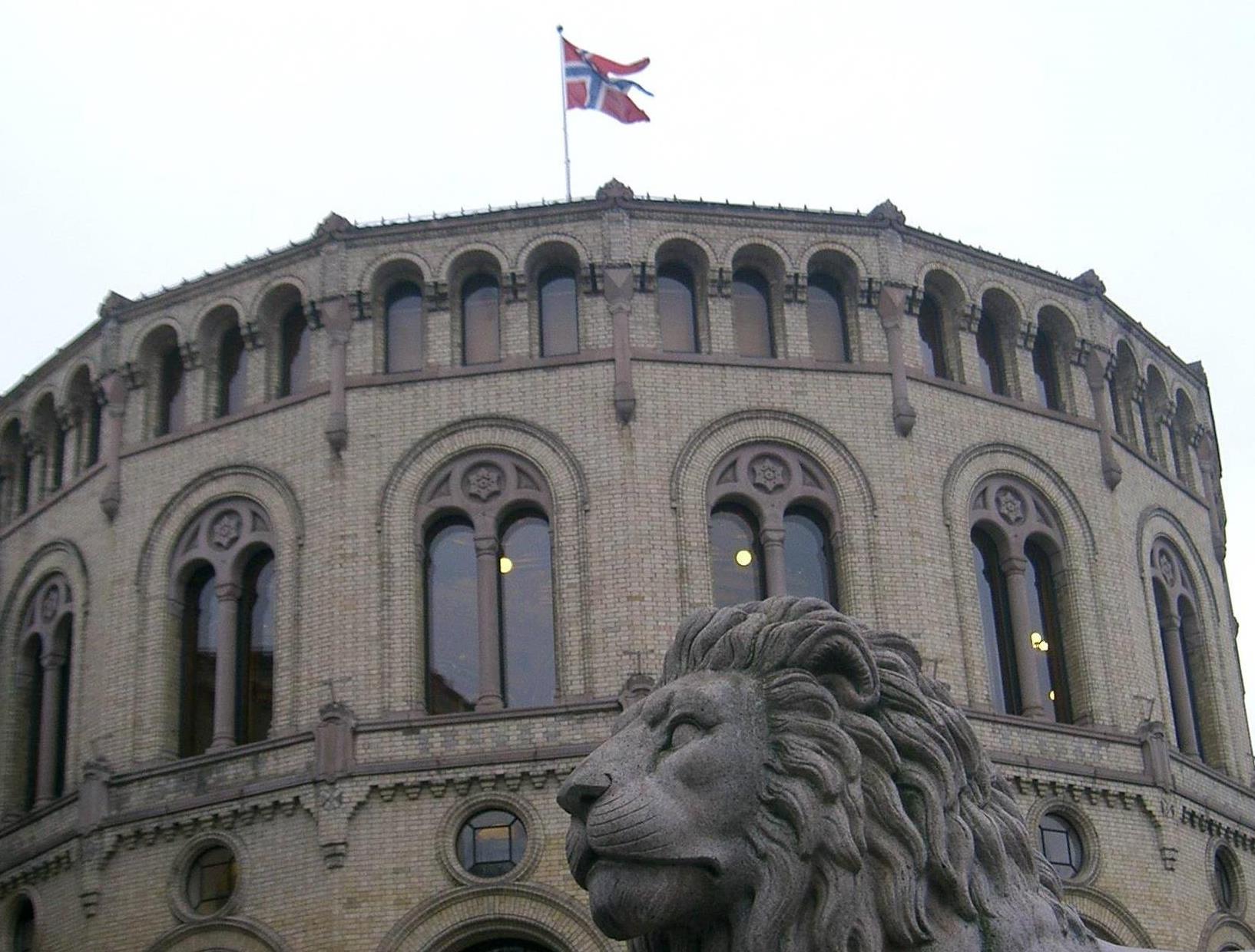
Som omtalt i
det forrige nyhetsbrevet, er Mattilsynet i gang med å forberede utlysning av tre faste heltidsstillinger som skal bemanne Norges nye 3R-senter. Mattilsynet har fått 3 millioner i 2026 til å forberede oppstarten av senteret.
Norecopas sekretær Adrian Smith vil legge informasjon om disse stillingene ut på sin
LinkedIn side så snart de er offentliggjort, og i fremtidige nyhetsbrev fra Norecopa.
Veterinærinstituttet, i samarbeid med en rekke andre institusjoner som bruker forsøksdyr, har startet arbeidet med å følge opp LMDs bevilgning i 2026 på 3 millioner for å lage 'en helhetlig kunnskapsoppsummering om alternativer til dyreforsøk og arbeid med 3R i Norge i samarbeid med relevante aktører.' Arbeidet har en frist til 1. mai
2027. Dokumentet bør være et svært nyttig hjelpemiddel for det nye senteret.
Revidert nasjonalbudsjett for 2026, som ble vedtatt 19. juni, inneholdt ikke noe nytt om saken. Det gjentar omdisponeringen av midlene til 3R-senter fra Veterinærinstituttet til Mattilsynet. En full oversikt over 2026-budsjett er tilgjengelig her.
Andre saker:
Forsøksdyrkomitéen inviterer til et seminar med dyrevelferdsenhetene den 19. november, med fokus på R'en av Reduction. Etter lunsj skal det være en workshop hvor innspill ønskes til det pågående arbeidet med
kunnskapsoppsummering om 3R som Veterinærinstituttet leder, og etableringen av
Norges 3R-senter.
Komitéen har også
lagt ut en kommentar om en sak fra Sveriges 3R-senter, som setter søkelyset på at forskningsfinansiørene ofte blir undervurdert når det gjelder deres mulighet til å påvirke de 3 R'ene.
Forsøksdyrkomitéen har publisert en
oversikt over opplæringskurs innenfor forsøksdyrlære. Vi minner om
Norecopas sider som samler lenker til kurs og lignende.
Viltressursloven trådte i krav 1. juli. Endringene
er beskrevet her.
Mattilsynets tilsynsdivisjon har
stanset bruken av en ny ikke-medikamentell avlusingsmetode for laks og ørret utenfor godkjent dyreforsøk. Den aktuelle avlusingsmetoden innebærer at fisken overrisles med varmt vann i åpent system. Mattilsynet påpeker at når en virksomhet utvikler en ny metode eller et nytt utstyr, kan disse ikke tas
i kommersiell bruk før de velferdsmessige konsekvensene er dokumentert, og metoden er funnet egnet ut fra hensynet til fiskens velferd. For å avdekke og dokumentere velferdskonsekvensene av utstyret og metoden, må det gjennomføres forsøk og utprøving etter vitenskapelige prinsipper.
Dyrevelferd og anvendt etologi er en sentral del av veterinærutdanningen ved NMBU.
Emneansvarlig Andrew Janczak beskriver dette på NMBUs nettsider.
Regjeringen har tildelt Universitetet i Oslo 50 millioner årlig til å utvikle
en forskningssatsing på fremvoksende teknologier. Sammen med NTNU skal UiO lede satsingen på fremvoksende teknologier som har kraft til å endre og forbedre liv og samfunn, som bioteknologi, KI, og kvanteteknologi.
En av disse er NAM teknologi, ledet av Stefan Krauss og med Steven Ray Wilson fra Kjemisk institutt. Det var tre medarbeidere fra Wilsons gruppe som vant
Norecopas 3R-pris i 2025.
|
|
Please help us in this task by forwarding this newsletter to friends and colleagues who may wish to subscribe. The white box at the bottom right of every page on Norecopa's website, or this link can be used.
|
|
|
Earlier editions of Norecopa's newsletter can be read here. They were published in Norwegian up to no. 2-2017. Free text searches on
Norecopa's website will also find resources which we have described in newsletters.
Mention in these newsletters of an institution, publication, professional service or opinion on animal research and testing does not necessarily mean that Norecopa endorses the activity or opinion. Norecopa and its staff are not involved, financially or otherwise, in the external activities mentioned here, unless this is explicitly
stated.
|
|
Content:
Norecopa
Editor:
Adrian Smith
Org.no. 992 199 199
Bank account: 2801.53.03931
Vipps: 889149
All photographs in the newsletters have been taken by Norecopa or from
colourbox.com, unless otherwise specified.
You can read about
Norecopa's data protection and privacy policy here.
In compliance with the EU Data Protection Regulation (GDPR), Norecopa updated its personal data and privacy policy in 2018.
You can read about this here.
|
|
|